
Blog
Four Winners and Four Losers From MLB’s Winter Meetings

Dec
The Winter Meetings always create noise, but this year delivered real movement. While some teams pushed their agendas with purpose, others walked away exposed. Deals were made, opportunities slipped, and the early shape of the 2025 season came into focus. Here are the four winners who set themselves up for a stronger year — and the four losers who left the Meetings with more problems than progress.
Winner 1: The Front Office That Dictated the Tempo
One team didn’t wait for the market to settle. It ran straight at its needs, secured a mid-tier starter, and locked down a late-inning arm before competitors even warmed up. That urgency changed the tone of its offseason. Instead of reacting to rising prices, this team now controls the pace. Its decisions weren’t flashy, but they were clean, direct, and efficient — the exact kind of moves that create stability for a roster that’s already competitive.
Loser 1: The Team That Let the Market Pass Them By
Then there was the club that came in with big talk and left empty-handed. They believed patience would work in their favor. It didn’t. Targets went elsewhere, deals closed fast, and their unwillingness to pivot left them stuck. Now the market is thinner, costs are higher, and their fans are wondering why management acted like it had all winter to solve urgent problems. The Meetings didn’t just expose holes in their roster — they exposed hesitation.
Winner 2: A Mid-Market Team That Found Value Where Others Didn’t
One of the smartest plays came from a team that rarely wins headlines but often wins small battles. They flipped a blocked prospect for a polished, multi-position player who fits their roster like a glove. No drama. No bidding war. Just a sensible, high-IQ move that boosts contact hitting and improves defensive range. This is how mid-market clubs compete: by seeing efficiency where others see noise.
Loser 2: The Organization Paralyzed by Prospect Worship
Contrast that with the club that refused to move even a mid-tier prospect for proven major-league help. Belief in young talent is healthy; overprotectiveness is not. They stalled trade talks, frustrated potential partners, and left the Meetings without the upgrade they desperately needed. In a year where they claim they’re ready to compete, their actions told another story. Development matters — but so does timing, and they misread both.
Winner 3: A Veteran Player Who Chose the Right Situation
Among players, one clear winner stood out. Instead of grabbing the highest offer, he chose the team that maximizes his game. He’ll get steady playing time, a clear role, and a coaching staff that understands his strengths. That decision may turn his new contract into one of the offseason’s biggest bargains. He didn’t chase spotlight; he chased fit — and for a veteran looking to stay impactful, that’s a smart play.
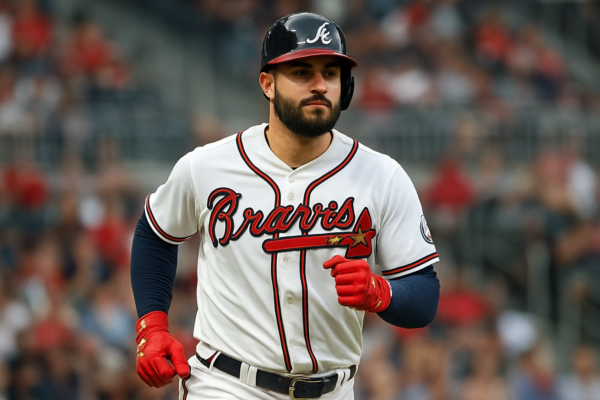
Loser 3: The Free Agent Who Overplayed His Hand
On the other side was a free agent who arrived expecting a frenzy and found lukewarm interest. His demands didn’t match the market’s view of his aging curve, and teams cooled fast. By the time the Meetings wrapped, he had fewer suitors than when he arrived. Now he’s likely headed for a shorter deal, lower guarantees, and less leverage. He didn’t just misread the market — he misread his moment.
Winner 4: The Rebuilding Team That Stayed Disciplined
Not every winner made noise. One rebuilding team earned praise by refusing to get distracted. Instead of tossing money at short-term fixes, they doubled down on development and future assets. They stayed patient, stayed focused, and avoided the temptation to make moves that win headlines but lose seasons. Their strategy won’t fire up social media, but it will age well.
Loser 4: The Contender That Looked Lost
Finally, one supposed contender arrived with real needs — bullpen help, outfield production, depth behind the rotation — yet spent the week drifting. They bounced between targets without direction, hesitated at key moments, and watched rivals strengthen instead. For a team trying to maximize a competitive window, their approach felt scattered. The Meetings were their chance to project confidence. Instead, they revealed a team without a plan.
Final Thoughts
Winter Meetings don’t decide championships, but they expose who understands urgency, value, and timing. The winners acted with clarity and boldness. The losers hesitated, misread the market, or chased the wrong priorities. As the offseason continues, these outcomes will shape negotiations, influence free-agent decisions, and define the tone of spring training. The next big moves are coming — but for now, these Meetings gave us the first clear read on who’s rising and who’s already playing catch-up.