Blog
Cowboys’ Downfall Began with Trading Micah Parsons — Not with Losing to the Lions
Dec
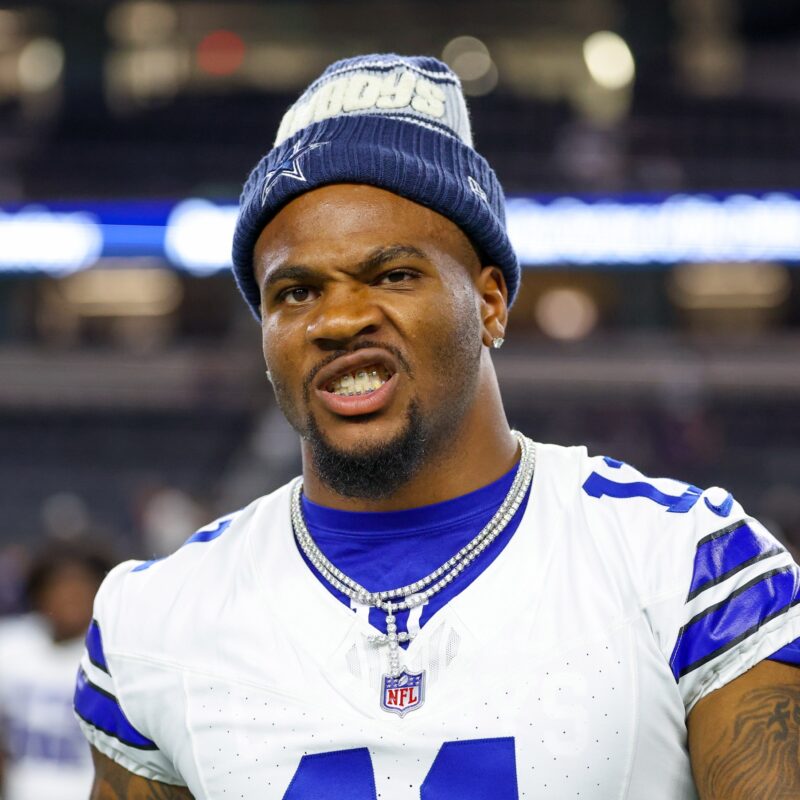
For most of the year, the Dallas Cowboys looked like a team built for a deep postseason run. Their offense flashed explosiveness, their defense showed stretches of dominance, and their star talent across the roster appeared capable of carrying them through the NFC. But everything changed the moment the Cowboys made one of the most puzzling roster decisions of the decade: trading away linebacker and defensive cornerstone Micah Parsons.
While many analysts and frustrated fans have pointed fingers at the Detroit Lions for derailing the Cowboys’ momentum late in the season, the truth runs deeper. The Lions exposed weaknesses, yes—but those weaknesses existed because Dallas voluntarily removed the heart of its defense. The moment Parsons left the building, the Cowboys’ identity left with him.
A Trade That Made No Sense From Day One
When news broke that Dallas had traded Micah Parsons to Chicago, the shockwaves were immediate. Parsons wasn’t just another defender—he was the centerpiece of the Cowboys’ pass rush, a player whose presence alone changed offensive game plans. Removing him from the lineup didn’t simply create a gap; it created a crater.
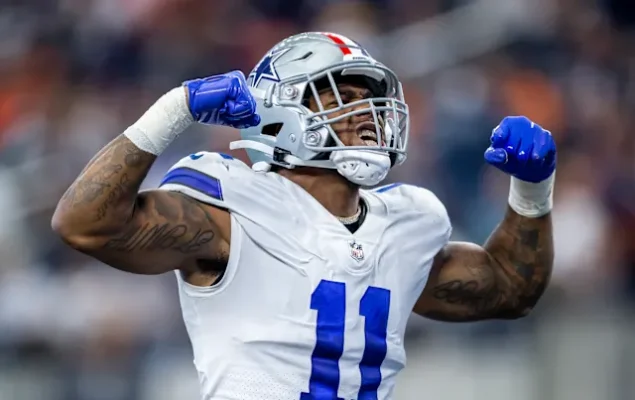
Before the trade, Dallas had a defense built around pressure. Opposing quarterbacks rarely felt comfortable, and the Cowboys thrived on chaos created at the line of scrimmage. Without Parsons, the entire operation faltered. Quarterbacks suddenly had more time. Coverage units were exposed. The defense, once feared, became ordinary within weeks.
The Cowboys didn’t lose their season because another NFC contender outplayed them. They lost control of their destiny the moment they weakened themselves for reasons that remain confusing—and controversial—to this day.
Life After Parsons: A Collapse in Slow Motion
The decline wasn’t instant, but it was unmistakable.
In the first few games after the trade, Dallas tried to mask the absence of their defensive star with schematic adjustments—extra blitz packages, more rotations, creative looks designed to compensate for missing talent. But there is no true replacement for a player who changes games at an elite level. The longer the season went on, the clearer it became that the Cowboys had voluntarily stepped backward.
The defense that once ranked near the top of the league in pressure rate plummeted. The turnover margin, one of the Cowboys’ most critical strengths, regressed. Drives that used to stall under relentless pressure now extended. Games that Dallas once controlled now turned into fourth-quarter battles they often couldn’t win.
In short, the Cowboys didn’t lose their defensive edge—they gave it away.
The Lions Were the Final Blow, Not the Cause
Detroit may have delivered the headline-grabbing defeat, but that game was simply the moment when the wider league finally saw what Cowboys fans had been noticing for weeks: this was no longer the same Dallas team.
The Lions did what any strong team would do: they took advantage of a weakened opponent. Their offense found comfort in the pockets Parsons used to collapse. Their quarterback played with a level of calm that would have been impossible earlier in the season. Their run game pushed around a front seven that no longer had its enforcer.
But placing the blame on Detroit misses the entire point. The Cowboys were already spiraling. The Lions simply revealed the magnitude of the damage.
A Championship Window That Closed Too Soon
When Dallas made the trade, they weren’t a rebuilding team—they were contenders. The roster had veterans in their prime, offensive weapons capable of scoring quickly, and a defensive unit built to attack. The window was open, and the Cowboys had every reason to push toward a Super Bowl.
Instead, that window slammed shut.
Losing Parsons created ripple effects throughout the roster, the locker room, and the overall team psyche. The confidence that once defined the Cowboys disappeared. The swagger was gone. Even the offense felt the pressure as they were forced to compensate for the loss of defensive stability.
The Cowboys didn’t just lose a player. They lost balance, identity, and momentum—three ingredients essential for any contender.
The Lesson Moving Forward
One trade doesn’t always define a season. But in this case, it absolutely did.
Dallas didn’t get beaten by Detroit, by injuries, or by bad luck. They got beaten by their own decision-making. Teams don’t often trade away generational defensive talents in the middle of a competitive season—and now we know why.
The Cowboys made a bold move, and it backfired spectacularly.
If Dallas hopes to reclaim its place among the NFL’s elite, the front office must learn from this mistake: championship windows are fragile, and roster moves made in haste can close them faster than any opponent ever could.